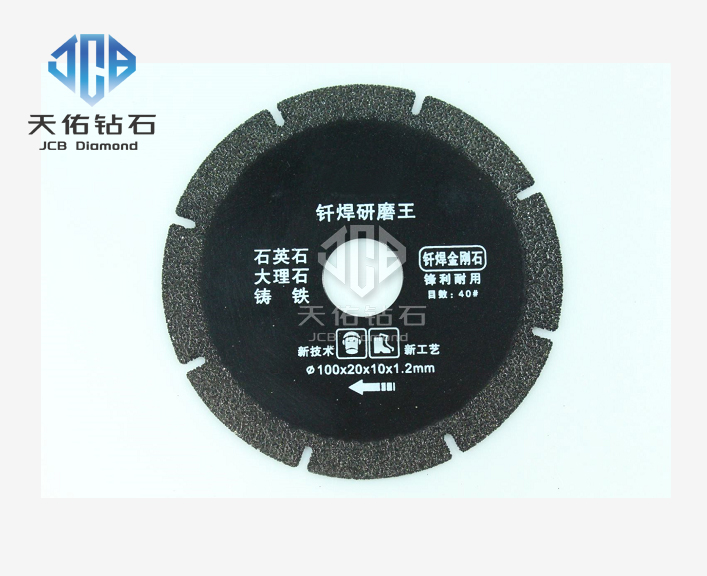
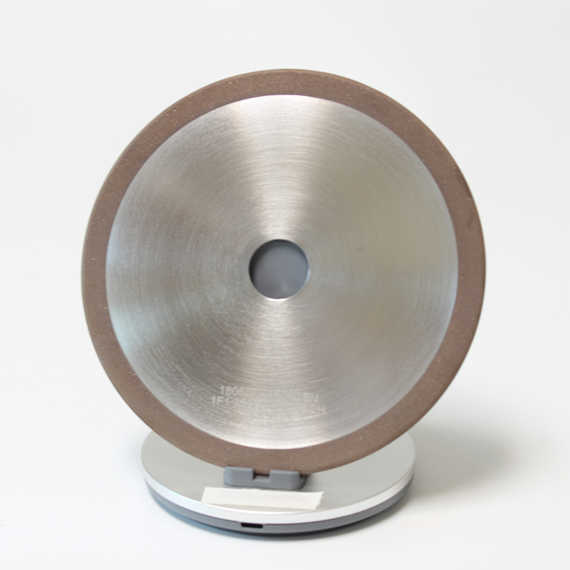
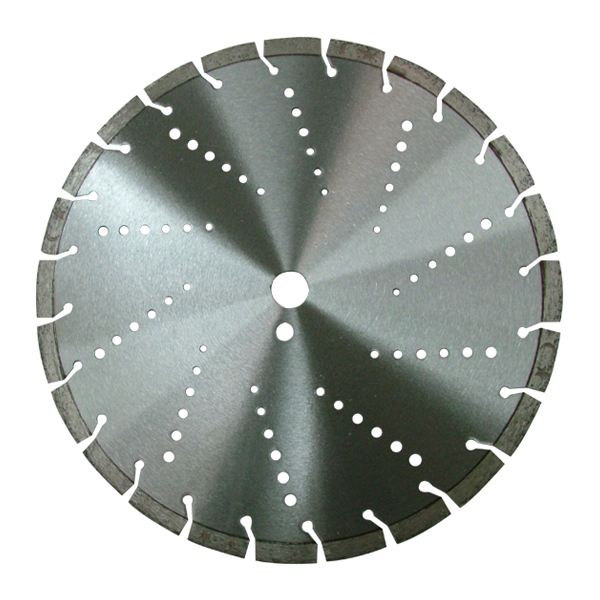
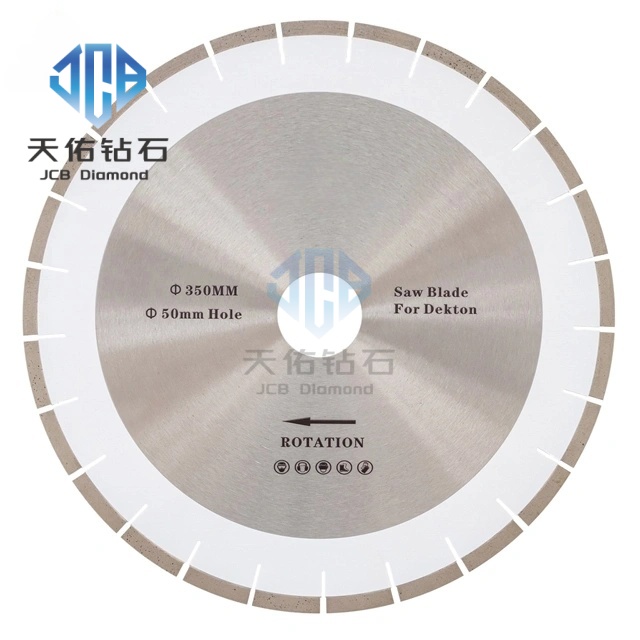
A diamond saw blade is a cutting tool made by firmly attaching or sintering diamond powder onto a steel substrate. It mainly consists of three parts:
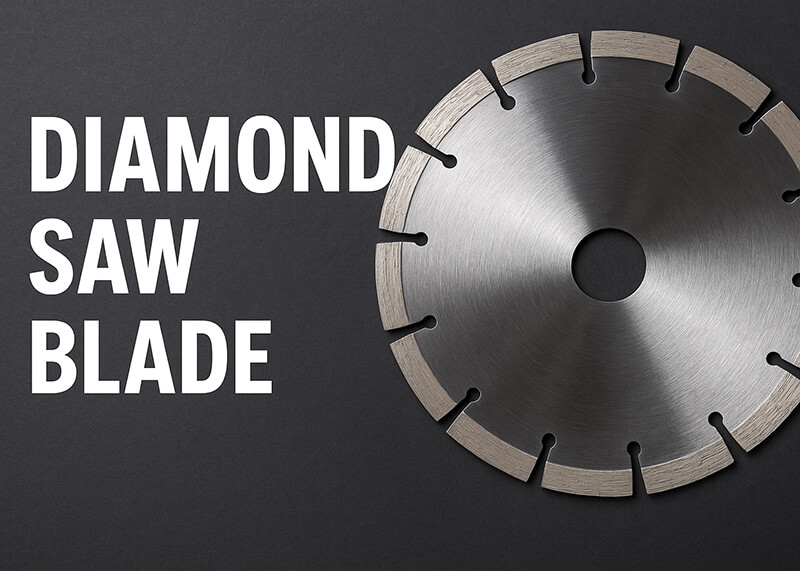
Steel Core
Diamond Segments
Bonding or Sintered Layer
Its cutting principle utilizes the extremely high hardness of diamond to perform a grinding-like cut on the material under high-speed rotation, maintaining strong straightness and a clean cut.
II. Main Types of Diamond Saw Blades
Based on different manufacturing processes and application conditions, diamond saw blades can be divided into the following categories:
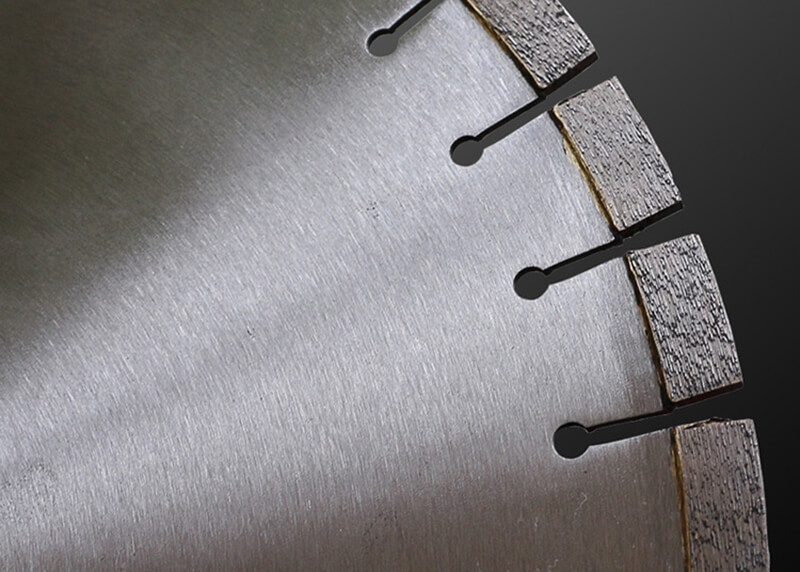
1. Laser-Welded Blade
The blade tip is firmly welded to the base material.
High temperature resistance, long lifespan.
Suitable for hard materials such as reinforced concrete and granite.
Supports dry cutting.
2. Sintered Blade
Uses powder metallurgy technology.
High sharpness, lower cost.
Mostly used for brittle materials such as ceramic tiles, marble, and glass.
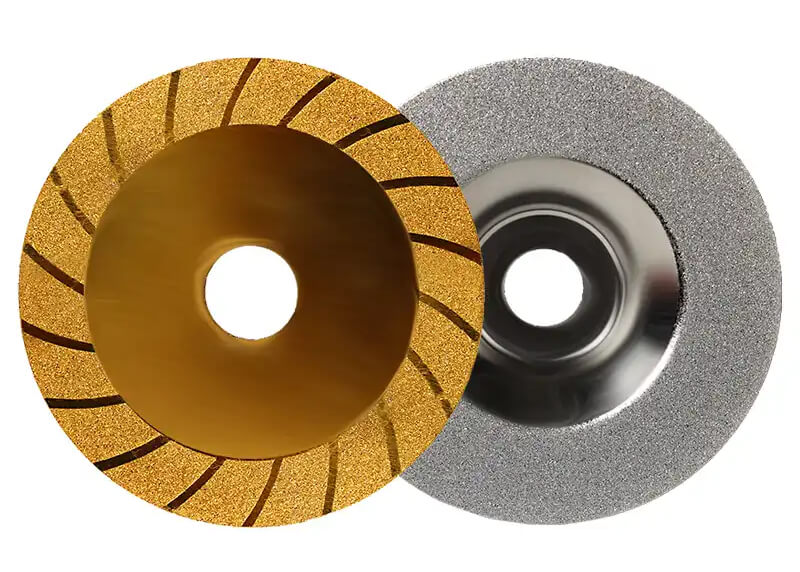
3. Electroplated Blade
Only one layer of plating.
Extremely sharp.
Mostly used for precision cutting, such as thin materials like glass and carbon fiber.
4. Hot-Pressed Blade
Suitable for general-purpose cutting.
Commonly used in construction sites and home renovation projects.
III. Advantages of Diamond Saw Blades
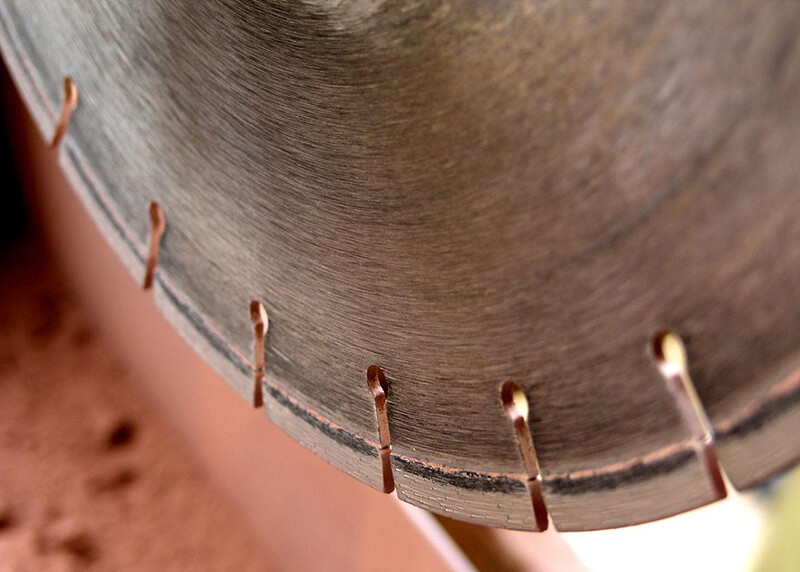
1. High Cutting Efficiency
Diamond has the highest hardness in nature (Mohs hardness 10), enabling it to quickly cut various hard substances.
2. Long Service Life
Diamond cutting tips are highly wear-resistant and have stable performance, reducing the frequency of tip replacements and lowering operating costs.
3. High Cutting Quality
Straight cuts with minimal chipping and thermal damage, suitable for high-precision machining.
4. Wide Range of Applications
Suitable for cutting materials such as concrete, stone, ceramics, glass, asphalt, and metals.
IV. Application Industries of Diamond Saw Blades
Diamond saw blades can be used in almost all high-strength material processing industries, mainly including:
Construction Engineering (Wall/Floor Cutting, Road Construction)
Stone Processing (Marble, Granite, Sandstone)
Ceramics and Tile Processing
Glass Cutting and Building Material Processing
Metal Processing (Cast Iron, Composite Materials, Thin Steel Plates)
Infrastructure Projects, such as Bridges, Highways, and Water Conservancy Construction
V. How to Choose the Right Diamond Saw Blade? (Procurement Guide)
To achieve the best cutting results, the following aspects should be considered when selecting a diamond saw blade:
1. Type of Material Being Cut
Different materials require different blade formulations. For example, granite requires harder blades, while tiles require sharper blades.
2. Dry Cutting vs. Wet Cutting
Wet cutting saw blades have better heat dissipation, resulting in smoother cuts.
Dry cutting saw blades are suitable for on-site applications and do not require a water source.
3. Saw Blade Diameter and Equipment Matching
Common diameters: 105mm, 125mm, 180mm, 230mm, 300mm, 350mm, 400mm, 450mm, 500mm, 600mm.
Select the appropriate saw blade based on the machine's power and speed.
4. Blade Height and Lifespan
Higher blades have a longer lifespan, suitable for long-term projects.
5. Quality and Safety Standards
We recommend choosing products certified by ISO, EN13236, MPA, etc.
VI. Why Choose Our Company's Diamond Saw Blades?
As a professional manufacturer of superhard materials and diamond tools, we offer:
High-quality diamond raw materials for sharp cutting and long service life
Automated production lines for consistent performance
A full range of production processes including laser welding, hot pressing, and sintering
OEM/ODM customization services
International market experience exporting to over 100 countries
Professional engineers providing cutting solutions
Our products cover the cutting needs of all industries, including concrete, stone, tile, asphalt, and metal.
VII. Contact Us – Get a Quote and Solutions
If you are looking for high-performance, durable diamond saw blades, please contact us for a quote and technical solutions.